How to Read Like a Writer: Boost Your Storytelling Skills

read like a writer - find out how

My latest work in progress (WIP) had me stumped. I loved most of the book, but the beginning had me second-guessing myself. It wasn’t the plot as much as it was the writing. I thought I was introducing my world to my audience, but it fell flat. Try as I might, I couldn’t streamline the information dump, the narrator’s voice sounded a little off, and the telling was a bit lacklustre. That was when I thought of my read-alikes and started to read like a writer.

I have often cited books like The 100, Wool, The Hunger Games, and Wayward Pines as my inspirations, and those books were resounding successes. So, I returned to re-read them to see if they could help me with my problem. When I did, I made sure to read like a writer.

What is reading like a writer?

Reading like a writer is very different than reading for pleasure. Rather than read for pleasure, start to question the author’s choices.Your ultimate goal is to figure out why the author wrote the way they did. Some of the questions you might ask include

  • establishes tone and voice
  • conveys elements of the narrator’s character
  • shows instead of tells
  • explains the narrator’s backstory without resorting to information dump
  • explains the setting without resorting to information dump
  • builds suspense toward the climax

Here’s what I learned by revisiting my read-alikes.

The 100: begin in medias res

read like a writer - The 100.

The 100 begins with Clarke, the eighteen-year-old heroine and point of view (POV) character, in a jail cell, awaiting her next beating. The plot begins in the middle of the story, with Clarke already in peril. This helps to build suspense. It makes the audience wonder why she is being treated so horribly. Our curiosity is piqued when she leaves her cell, and we can’t wait to see what will happen next.  

Demon Copperhead: it’s okay to use sentence fragments

In Demon Copperhead, Barbara Kingsolver uses sentence fragments almost exclusively. This helps the audience to see inside Demon’s head. It uses a technique similar to stream-of-consciousness to make the reader feel as if they are reading his thoughts. Because we are privy to Demon’s uncensored thoughts, it helps the reader easily bond with the character.

read like a writer - Demon Copperhead

The Hunger Games: how to build a world without information dump

read like a writer - Hunger Games

The start of The Hunger Games is a masterclass in establishing setting in a sci-fi dystopian world. With a few strategically placed hints and comments, Suzanne Collins introduces the dystopian backdrop of the novel as well as Katniss’s character as the narrator. We understand her powerlessness and reserved acceptance of her situation. We also admire that she is willing to do anything for her family, including sacrificing herself, if it means their lives will be more comfortable. At the same time, Collins tells us the dangers of the world she’s created through Katniss’s eyes. The novel flows beautifully, maintaining a consistent pace, and we are given a lot of information without feeling it is being dumped on us.

Wool: how to establish suspense with flashbacks

Hugh Howey’s Wool begins in medias res. It continues for two chapters before flashing back three years, showing what has led to Holsten, the sheriff, being sent to clean. By skipping back and forth in time, Howey establishes suspense. The reader cannot wait to see the events leading up to the sheriff, the person normally sending people to clean, to clean himself. The story uses hushed conversations about forbidden things to firmly establish Wool as a dystopia. The time shifts help build curiosity—the reader knows where the story is going, but not how it gets there, which keeps us turning pages.

read like a writer - Wool

Key takeaways

After spending some time reviewing my look-alikes and re-reading some of them as a writer, I was able to break free of my writer’s block and revise my work. This included

  • changing a scene to begin in medias res
  • breaking some of my longer sentences into sentence fragments that made sense in the context
  • streamlining how I established my setting
  • cutting out duplicate ideas
  • deleting information already established
  • moving other bits of information (to where they were more apropos)
  • using one or two flashbacks where the reader already knows what had happened, and the time shift helps clarify events

I’m not going to lie. Radical editing—all the chopping and revision—was the most painful experience I could imagine, but I really like what I came up with!

How to read like a writer

Here are some things to keep in mind when reading like a writer.

  • Focus on read-alikes for your story. Take a look at stories similar to your own and try to determine what about the narrative voice made them so successful.
  • Be specific with the questions you ask. If your difficulty is composing dialogue, read with an eye to dialogue. If your difficulty is eliminating information dump, read to see how other authors give background information about characters and settings without it.
  • Try modelling the author’s voice. Using mentor texts is a good way to try on someone else’s voice. Read a chapter of your mentor text like a writer. Pay attention to the way the author tells the story. When you are done, try to write a section of your own story using the other author’s voice. You might hate the resulting hybrid voice. But you might also love it.

Reading like a writer—studying the way bestselling authors structure their plots, create their stories, incorporate literary devices, and establish setting—turns each book you read into a master class in writing, helping you grow as a writer and refine your narrative voice.

Deep Point of View

It is said there are three sides to every story: yours, mine, and what really happened. Writing in a deep point of view allows your narrator to tell their side. It lets your reader know what the narrative character thinks by filtering events through the lived experience of their backstory. It also uses interior monologue to show how the character interprets plot events.

Deep point of view, also known as limited point of view, comes in two varieties: first and third. This post takes a closer look at what point of view is in general—and specifically limited point of view—and how you can use it to go deep in your narrative.

What is point of view?

Point of view is the filter through which the story is told. Whether it is first-, second-, or third-person, point of view refers to the thoughts, experiences, perspective and opinion of a story’s narrator.

First-person point of view

Told using first-person pronouns, the narrator of a story told in first-person is limited to reporting only on what they can reasonably see, hear, feel, think, and know. In other words, they cannot report on how other characters experience events or what they think because they are limited to what the point-of-view character can perceive.

Third-person point of view

A third-person narrative can be written with an omniscient (know-all, see-all) or a limited narrator. The only difference between third-person limited and first-person limited is that third-person point of view uses third-person pronouns. Similar to first-person limited point of view, the narrator can only report on what the point-of-view character can reasonably see, hear, feel, think, and know.     

How to write in a deep point of view

Put yourself in your narrator’s shoes. When you write, imagine that you are the point of view character. As such, your narrator can use the other characters’ body language and tone of voice to infer what they might feel or think, but they cannot know for sure.

Show instead of tell

Going deep into a character’s point of view also uses showing instead of telling to help describe body language and sensory information so the reader can infer what is happening in a scene. For example, Mabel is the point of view character. Johnny is her friend. The text

Johnny was nervous.

is a prime example of telling instead of showing: the narrator tells the reader that Johnny was nervous instead of showing how Mabel knows this. It is also a good example of what not to do in a limited point of view—how can Mabel know with certainty that Johnny was nervous?

Johnny seemed nervous.

This is a little better when using a deep point of view. Mabel cannot know for certain that Johnny was nervous, but Mabel can infer that Johnny seems nervous. This way, it is clear that it is Mabel’s interpretation that Johnny is nervous.

Johnny cleared his throat. He looked down at his shoes and focused on the cloud of dust kicked up by his shuffling feet. He cleared his throat again.   

This example uses showing to let the reader know what Mabel is seeing. It does not draw conclusions (“Johnny is nervous). Rather, it details Johnny’s body language as Mabel sees it. It also makes good use of showing to describe Johnny’s movements and leaves it up to the reader to infer that Johnny is nervous.

Why use deep point of view?

Deep point of view puts the reader into your narrative character’s head as it telegraphs their experiences, thoughts, and emotions. It allows the reader to know the character’s mind for a greater sense of intimacy. In other words, the reader comes to know and identify with the point of view character, which increases their sense of empathy. This makes it easier for the reader to immerse themselves in the story, feeling as if they are connected to the point-of-view character and experiencing the action in their shoes.    

Key takeaways

Using a deep point of view to write in the persona of your point of view character creates an immersive experience for your reader. Not only will they put themselves in the point of view character’s shoes, but they will walk the miles of your plot in them as if they themselves were the character.

When you write in a limited point of view, you are inside your narrator’s head. Avoid using tags that say “I thought” or “he wondered” when possible. The entire manuscript essentially reflects the narrator’s thoughts.

Avoid using the collective perspective: They saw the fire, and they panicked. Though this can be inferred, your narrator cannot know for certain that the other characters’ experiences are all identical. Ernie might have been looking elsewhere.  Jane might have volunteer firefighter training. All Mabel can say for certain is that she did these things.  

Remember to limit yourself to what your point of view character can reasonably know, see, think, hear, and feel. Try to show instead of tell. Details matter. Describe them through the point of view character’s eyes. Weave in some of their lived experience or backstory, as well as their interpretation of events as they unfold.   

Putting it into practice

Here is a simple exercise you can use to write a brief scene in deep point of view.

  1. Create an outline of your point-of-view character. Take 5-10 minutes to brainstorm their backstory.
  2. Picture the setting of your scene. Take 5-10 minutes to describe it.
  3. Imagine your character in the middle of the scene. What do they see, hear, feel, or smell? Where were they been before the scene begins? Where are they going next? Do they have time before their next destination, or do they feel rushed? Is the space quiet or bustling? What is your character’s mood? Are they dealing with a crisis or something more mundane? Are they alone?

Take 10 minutes to write your character’s interior monologue. Your scene should be brief, covering no more than a minute or two in time.   

Revision for Consistency

Revising, revision

Even the best laid plans often go awry. It’s true. No matter how much planning or plotting you might do for your work in progress (WIP), the characters soon develop minds of their own and take you to places you never thought you’d go. So you let them go wherever they want and say whatever they want to say, and your book is better for it, but the moment you let them go off-book, you are opening yourself up to a host of plot holes. This is where your first revision comes in.

Last week, I typed “The End” on my latest WIP, Phoenix Station. But it wasn’t the end. Last week only marked the beginning of my first editing pass: Revision.

I’m an editor, and I’m really good at finding inconsistencies in my clients’ plots. Now is the time to put away my author’s cap and don my developmental editor’s one for my own book. In keeping with that spirit, today’s post is all about revision.

Milanote for Outlining

I’m usually more of a pantser than a plotter, but at some point, I always wind up plotting the rest of the book out. Given its plot, I started writing Phoenix Station as a planner. I started out with handmade notes and ramblings, refined that into a word processed chapter summary, and broke that down even further when I stumbled upon Milanote.

revising, revision
Milanote column with notes

In the months since discovering Milanote, it’s become one of my staple tools for developmental editing. Milanote is similar to an endless bulletin board on which you can stick “columns” and add “notes” to layout your book. I like that everything is on the desktop in front of me. It becomes a living document of the progress of my writing.

Finding Plot holes

My first pass is to tie up all loose ends I might have created along the way, aka plot holes. As I revise, I catalogue each chapter in a separate “column.” I list plot events in a bulletted list and reserve a “notes” section for questions that need to be answered on my next pass through the document. I highlight terms, character names, and the names of places so I will be sure to use the same terminology throughout. Text messages are important in my story, so I also highlight each of the strategically placed cryptic messages my character received. This makes it easier to locate later, though Milanote’s search function helps.

Revise for Consistency

When revising your document, I recommend making several passes. The first pass should be devoted to consistency. This applies to descriptions of characters and places as well as the internal structure of the world you have built (especially important for sci-fi and fantasy). I also edit for grammar and word choice as I go. Each pass through polishes my work even more. Creating a separate document that functions as a “story bible” for your work will help. I’m using Milanote, but you could use Word if you prefer.

Next Steps

What happens next depends on what I find in my first pass. I might need another revision dedicated to plugging the holes in my first (and second) draft. I might need to look at diction, imagery, symbolism, foreshadowing or something else. The important thing to note is that I won’t know where to go next until I complete this draft.

Stay tuned to follow my journey as I take Phoenix Station from first draft through to published (fingers crossed) bestseller!

What I learned from William Shakespeare about building character

I taught Romeo and Juliet to ninth-graders when I was an English teacher. It was the perfect play for an introduction to Shakespeare: two kids about the same age as my students making impulsive decisions that got them into trouble. We all think the play is about star-crossed love and the tragedy Romeo, Juliet, and so many other characters suffer because the protagonists challenge the norms of society. Romeo and Juliet’s relationship is a romantic whirlwind that has stood the test of time, but at its heart is another fabulous, forgotten relationship: the “bromance” between Romeo, Benvolio, and Mercutio. It is this wonderfully crafted dynamic I want to discuss today.

Romeo

Romeo is the consummate romantic. He sees the world through rose-coloured glasses. He longs for love, but his devotion is fickle, and he gives his heart over to his latest fancy. Nothing is impossible in Romeo’s mind, even if it is marrying the daughter of his family’s greatest enemy, a girl who could barely be considered a teen. He believes himself to be invincible. Though banished upon sentence of death, he stays in Verona for a booty call. Ever the optimist, he believes Friar Lawrence when he says the fuss over his banishment will eventually blow over, and he can return to Verona a free man.    

Benvolio

Benvolio is the pragmatist of the group. He is the only trio member who keeps a cool head, thinks things through, remains calm, and tries to defuse conflicts instead of aggravating them. Several characters rely on Benvolio to give an unbiased report of plot events. After Roseline rejects Romeo, Benvolio convinces him to attend the Capulet party. During Mercutio and Tybalt’s altercation, Benvolio tries to convince the men to discuss matters further at another time, but then Romeo enters, and the duel begins.

Mercutio

Mercutio plays the role of the impulsive clown. His mouth has no filter, which often goads people to anger. Everything is a joke to him, and he drinks to excess. When stabbed by Tybalt, Mercutio jokes and downplays his injuries. Believing he has suffered only a scratch, his friends do nothing to help him and watch him die.

The trio in my writing

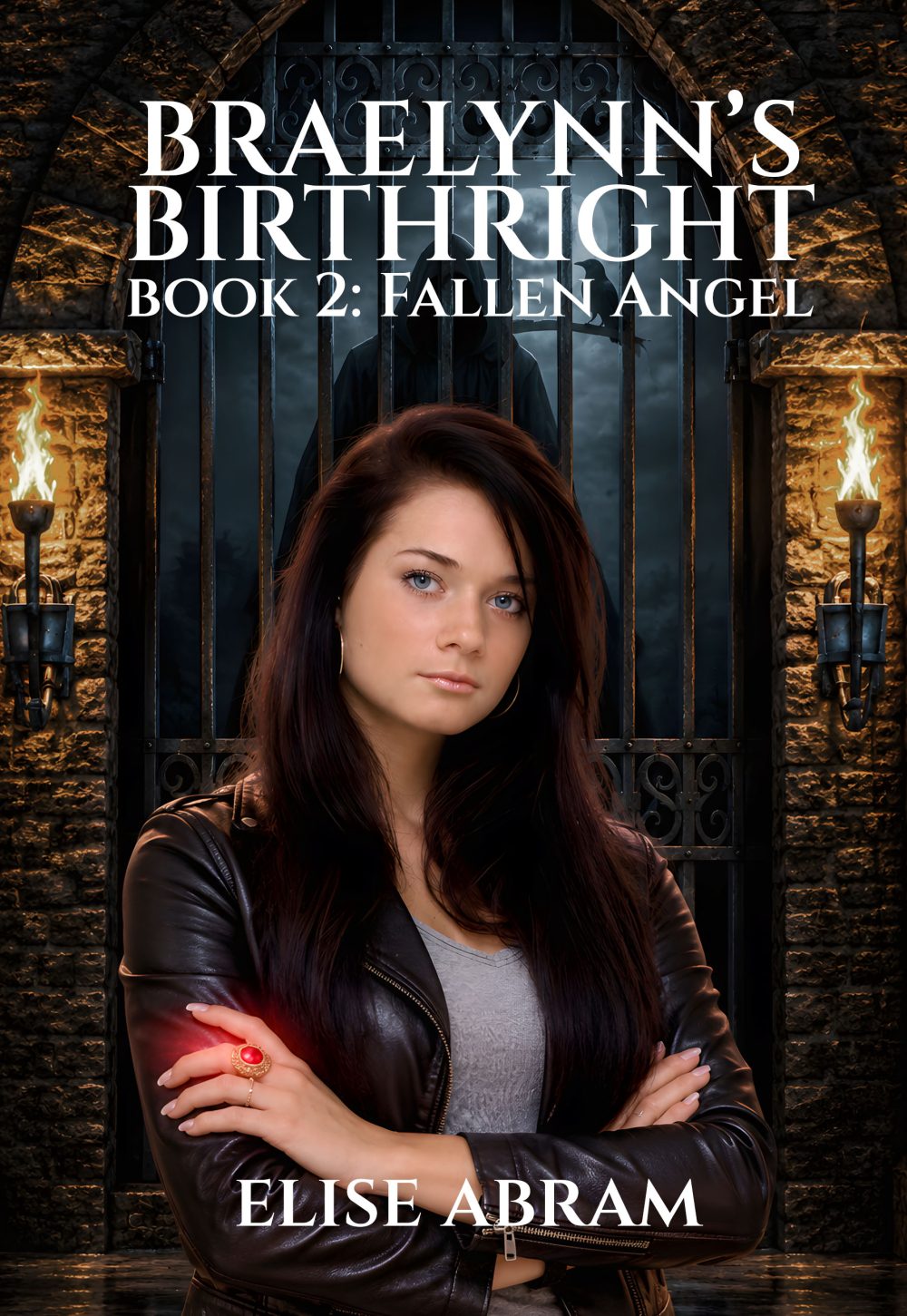
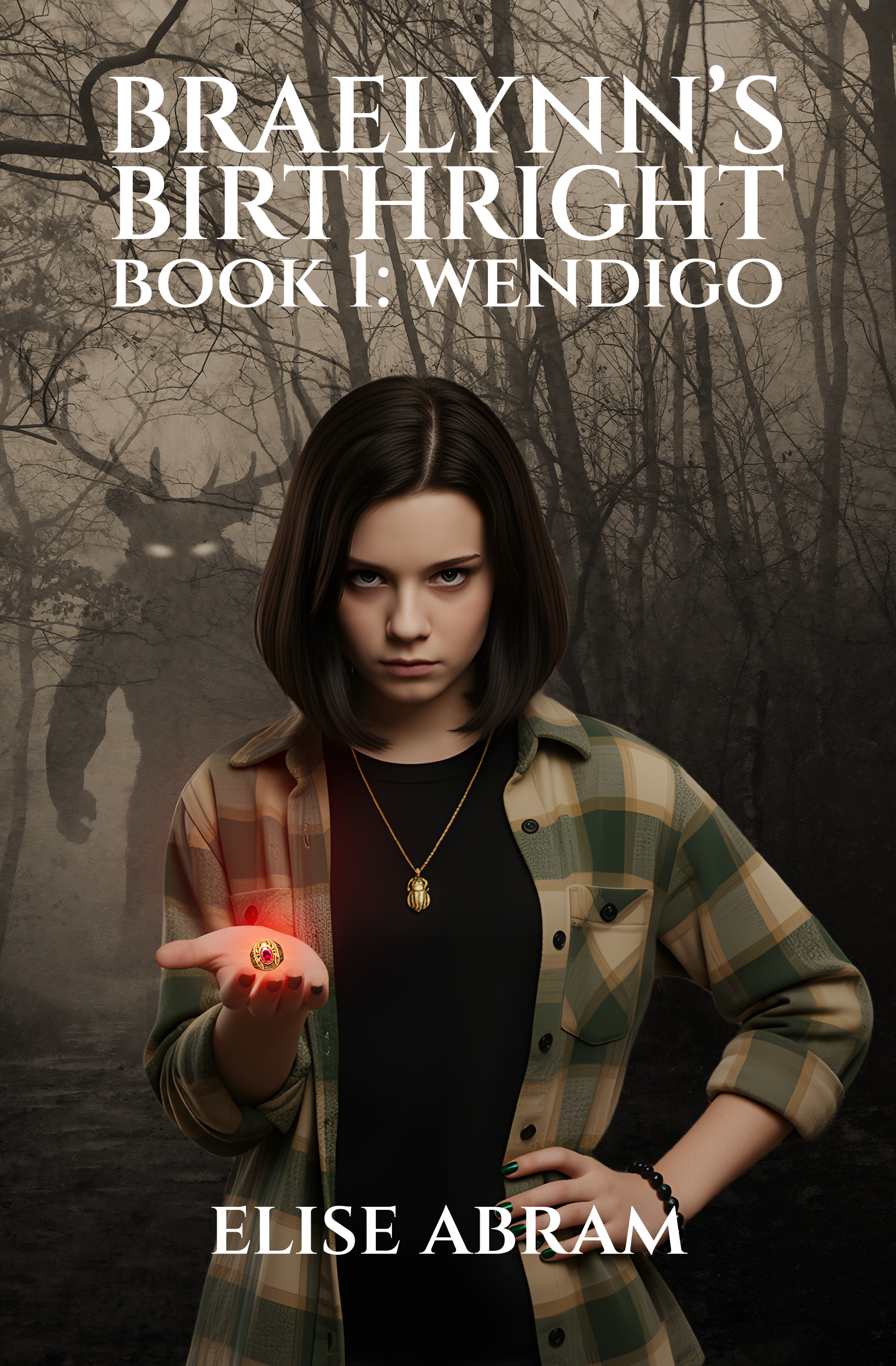
When writing, I often recall these three personalities—the optimist, the pragmatist, and the clown—and use them to shape my characters. The protagonists in my novels (like Braelynn in the Braelynn’s Birthright series) often have two close friends. My protagonist is usually the Benvolio of the group. She keeps a cool head in times of conflict and thinks things through. One of her friends is a Romeo, jaded, romantic, always looking for the silver-lined cloud in the storm. Her other friend is a Mercutio, a joker, always trying to make light in the darkness and not always at opportune times.

The trio in other stories

I am not alone in modelling my characters after this famous trio. Here are a few others you might have seen (each of these examples lists the roles in the following order: Romeo, Mercutio, Benvolio):

  • Supernatural: Sam, Dean, Castiel
  • Buffy the Vampire Slayer: Willow, Buffy, Xander
  • The Rookie: Lucy, Tim, John
  • Elsbeth: Kaya, Captain Wagner, Elsbeth
  • The Big Bang Theory: Penny, Leonard, Sheldon

What other Romeo-Mercutio-Benvolio trios can you think of?

The takeaway

The next time you sit down to write, consider modelling your characters after classic groupings like the one in Romeo and Juliet. To do this, read classic literature like a writer would, not for pleasure, but to question the author’s choices. Try to figure out why the pairings (or trios) of characters work—What has made them stand the test of time? What is their appeal?—and try to create personalities with similar traits, motivations, and relationship dynamics. The ability to pen memorable characters that will pull on your readers’ heartstrings is only a few classic works away.

Subscribe to my newsletter for more great writing tips and free books for review and receive Self Publishing Made Simple: A Step-by-Step Guide for New Authors for freee!

Writers Circle Workshop on Self-Publishing: Recap

Thank you so much to the Richmond Hill Public Library (RHPL) for hosting my talk this week on Self-Publishing for new authors. The Writers Circle group at the RHPL are always an amazing audience, and I appreciate their attendance and interest. A special thanks to Angie, who was a very gracious host and had the room open, ready, and waiting for me.

Here is a recap of what I said at the meeting on Wednesday, 5 February 2025.

Exploring Publishing Options: Ways to publish, traditional vs. self-publishing

We began our talk with a review of the current publishing landscape and discussed the difference between traditional, vanity, hybrid, and self-publishing, as well as the pros and cons of each path to publishing.

The Self-Publishing Path: How to self-publish your work

Next up was a discussion of the ins and outs of self-publishing, where and how to publish, ISBNs, EIN/TINs, costs, distribution platforms, formatting, and cover creation.

Building Buzz For Your Book: Your Author Platform and Marketing

We finished with a discussion of when and how to begin building your author platform and some concrete ideas for things you can do to help sell your book once it is published.

Keep checking back on my events page for future, upcoming talks and workshops at the RHPL and elsewhere.

I am also available to give this talk to other groups, schools, and organizations in the Greater Toronto Area. Please see the contact information on my About page if you are interested.

Featured Book: The Depth of Water

I’m being featured on the Kindle Book Review Website today and tomorrow. Check it out!

cover for The Depth of Water by Elise Abram

Hours after her father drowns, Liesel Drummond sees him in a vision. In it, her father touches the child within her womb and vanishes.

Years later, Liesel’s son, Owen, is haunted by an inexplicable fear of water. When he falls into a pool at the tender age of eight, something shifts within him. Owen is plagued by horrific night terrors, clawing at the air as if trying to swim to safety, gasping for air, coughing up water, reaching for an unseen lifeline, and choking on phantom waves. As Liesel witnesses her son’s mental and physical well-being deteriorate, her anxiety mounts, but it reaches a breaking point when Owen starts recounting memories of being the parent when Liesel was the child. Convinced her father’s soul has been reincarnated within Owen, Liesel embarks on a desperate quest for answers.

Liesel’s mother’s health is failing, and their relationship is strained at the best of times, adding another layer of complexity to her life. With nowhere else to turn, Liesel seeks out Carson Knox, an expert in reincarnation and the transmigration of souls, but discovering that Owen has indeed been reincarnated is only the beginning. The true challenge lies in freeing her father’s soul from her son’s, forcing Liesel to confront the unfathomable depths of water, both literal and metaphorical.

The Depth of Water will transport you to a world where the past and present intertwine, exploring themes of family, loss, and the power of love.  Prepare to embark on a suspenseful journey that will leave you questioning the boundaries of life and the ties that bind us all.

Buy The Depth of Water at AmazonAppleRakuten-Kobo, and wherever eBooks are sold.

Featured Book: The Depth of Water

The Depth of Water is being featured on Pretty-Hot Books today. Check it out!

The Depth of Water featured on Pretty-Hot Books.
cover for The Depth of Water by Elise Abram

Hours after her father drowns, Liesel Drummond sees him in a vision. In it, her father touches the child within her womb and vanishes.

Years later, Liesel’s son, Owen, is haunted by an inexplicable fear of water. When he falls into a pool at the tender age of eight, something shifts within him. Owen is plagued by horrific night terrors, clawing at the air as if trying to swim to safety, gasping for air, coughing up water, reaching for an unseen lifeline, and choking on phantom waves. As Liesel witnesses her son’s mental and physical well-being deteriorate, her anxiety mounts, but it reaches a breaking point when Owen starts recounting memories of being the parent when Liesel was the child. Convinced her father’s soul has been reincarnated within Owen, Liesel embarks on a desperate quest for answers.

Liesel’s mother’s health is failing, and their relationship is strained at the best of times, adding another layer of complexity to her life. With nowhere else to turn, Liesel seeks out Carson Knox, an expert in reincarnation and the transmigration of souls, but discovering that Owen has indeed been reincarnated is only the beginning. The true challenge lies in freeing her father’s soul from her son’s, forcing Liesel to confront the unfathomable depths of water, both literal and metaphorical.

The Depth of Water will transport you to a world where the past and present intertwine, exploring themes of family, loss, and the power of love.  Prepare to embark on a suspenseful journey that will leave you questioning the boundaries of life and the ties that bind us all.

Buy The Depth of Water at AmazonAppleRakuten-Kobo, and wherever eBooks are sold.

Featured Book: The Depth of Water

The Depth of Water is being featured on Awesome Gang today. Check it out!

cover for The Depth of Water by Elise Abram

Hours after her father drowns, Liesel Drummond sees him in a vision. In it, her father touches the child within her womb and vanishes.

Years later, Liesel’s son, Owen, is haunted by an inexplicable fear of water. When he falls into a pool at the tender age of eight, something shifts within him. Owen is plagued by horrific night terrors, clawing at the air as if trying to swim to safety, gasping for air, coughing up water, reaching for an unseen lifeline, and choking on phantom waves. As Liesel witnesses her son’s mental and physical well-being deteriorate, her anxiety mounts, but it reaches a breaking point when Owen starts recounting memories of being the parent when Liesel was the child. Convinced her father’s soul has been reincarnated within Owen, Liesel embarks on a desperate quest for answers.

Liesel’s mother’s health is failing, and their relationship is strained at the best of times, adding another layer of complexity to her life. With nowhere else to turn, Liesel seeks out Carson Knox, an expert in reincarnation and the transmigration of souls, but discovering that Owen has indeed been reincarnated is only the beginning. The true challenge lies in freeing her father’s soul from her son’s, forcing Liesel to confront the unfathomable depths of water, both literal and metaphorical.

The Depth of Water will transport you to a world where the past and present intertwine, exploring themes of family, loss, and the power of love.  Prepare to embark on a suspenseful journey that will leave you questioning the boundaries of life and the ties that bind us all.

Buy The Depth of Water at AmazonAppleRakuten-Kobo, and wherever eBooks are sold.

New Release: THE DEPTH OF WATER

The Depth of Water is being featured on the Digital Book Spot Today! Check it out!

Hours after her father drowns, Liesel Drummond sees him in a vision. In it, her father touches the child within her womb and vanishes.

Years later, Liesel’s son, Owen, is haunted by an inexplicable fear of water. When he falls into a pool at the tender age of eight, something shifts within him. Owen is plagued by horrific night terrors, clawing at the air as if trying to swim to safety, gasping for air, coughing up water, reaching for an unseen lifeline, and choking on phantom waves. As Liesel witnesses her son’s mental and physical well-being deteriorate, her anxiety mounts, but it reaches a breaking point when Owen starts recounting memories of being the parent when Liesel was the child. Convinced her father’s soul has been reincarnated within Owen, Liesel embarks on a desperate quest for answers.

Liesel’s mother’s health is failing, and their relationship is strained at the best of times, adding another layer of complexity to her life. With nowhere else to turn, Liesel seeks out Carson Knox, an expert in reincarnation and the transmigration of souls, but discovering that Owen has indeed been reincarnated is only the beginning. The true challenge lies in freeing her father’s soul from her son’s, forcing Liesel to confront the unfathomable depths of water, both literal and metaphorical.

The Depth of Water will transport you to a world where the past and present intertwine, exploring themes of family, loss, and the power of love.  Prepare to embark on a suspenseful journey that will leave you questioning the boundaries of life and the ties that bind us all.

Buy The Depth of Water at Amazon, Apple, Rakuten-Kobo, and wherever eBooks are sold.

Writers’ Corner at the Richmond Hill Public Library

Writers' Corner Workshop announcement

Put Your Readers in the Scene: What it Means to Show and Not Tell – a two-part workshop.

What is meant by “showing” versus “telling” and  how can you tell the difference?   Is it ever okay to “tell?” Is there such a thing as showing too much? Explore  these important questions by looking at dialogue, description, pacing and transitions, and learn how to invite your readers into the scenes you write. 

Part 1

What is showing and not telling? When is it okay to tell? When should you show? Using imagery to paint a word picture. Active vs. passive voice.

When: Wednesday, March 6, 2024 from 6:30 – 8 p.m.

Where: Richmond Hill Public Library, 1 Atkinson Street, Richmond Hill, Ontario, L4C 0H5

Sign up here: https://www.rhpl.ca/whats-on/calendar-of-events/writers-corner-0

Part 2

Adding sensory detail. Using dialogue to show your characters’ emotions. When is it too much showing. What is information dump? Body language.

When: Wednesday, April 3, 2024 from 6:30 – 8 p.m.

Where: Richmond Hill Public Library, 1 Atkinson Street, Richmond Hill, Ontario, L4C 0H5

Sign up here: https://www.rhpl.ca/whats-on/calendar-of-events/writers-corner-0