
My latest work in progress (WIP) had me stumped. I loved most of the book, but the beginning had me second-guessing myself. It wasn’t the plot as much as it was the writing. I thought I was introducing my world to my audience, but it fell flat. Try as I might, I couldn’t streamline the information dump, the narrator’s voice sounded a little off, and the telling was a bit lacklustre. That was when I thought of my read-alikes and started to read like a writer.
I have often cited books like The 100, Wool, The Hunger Games, and Wayward Pines as my inspirations, and those books were resounding successes. So, I returned to re-read them to see if they could help me with my problem. When I did, I made sure to read like a writer.
What is reading like a writer?
Reading like a writer is very different than reading for pleasure. Rather than read for pleasure, start to question the author’s choices.Your ultimate goal is to figure out why the author wrote the way they did. Some of the questions you might ask include
- establishes tone and voice
- conveys elements of the narrator’s character
- shows instead of tells
- explains the narrator’s backstory without resorting to information dump
- explains the setting without resorting to information dump
- builds suspense toward the climax
Here’s what I learned by revisiting my read-alikes.
The 100: begin in medias res

The 100 begins with Clarke, the eighteen-year-old heroine and point of view (POV) character, in a jail cell, awaiting her next beating. The plot begins in the middle of the story, with Clarke already in peril. This helps to build suspense. It makes the audience wonder why she is being treated so horribly. Our curiosity is piqued when she leaves her cell, and we can’t wait to see what will happen next.
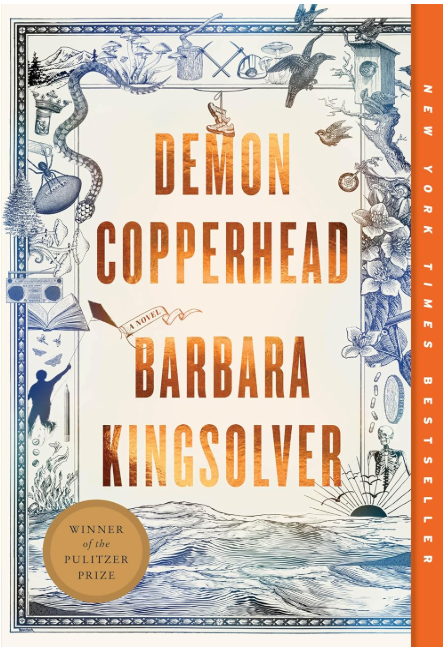
Demon Copperhead: it’s okay to use sentence fragments
In Demon Copperhead, Barbara Kingsolver uses sentence fragments almost exclusively. This helps the audience to see inside Demon’s head. It uses a technique similar to stream-of-consciousness to make the reader feel as if they are reading his thoughts. Because we are privy to Demon’s uncensored thoughts, it helps the reader easily bond with the character.
The Hunger Games: how to build a world without information dump
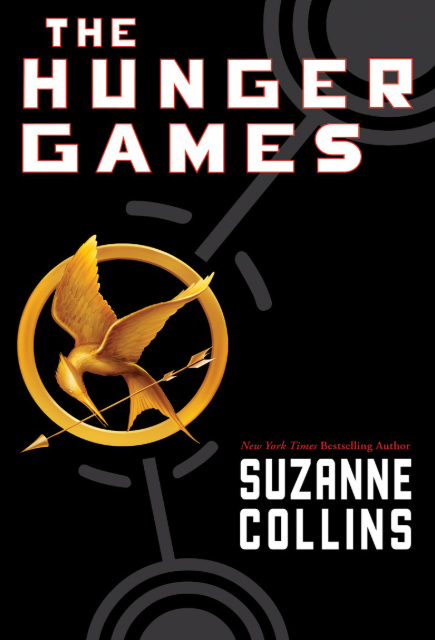
The start of The Hunger Games is a masterclass in establishing setting in a sci-fi dystopian world. With a few strategically placed hints and comments, Suzanne Collins introduces the dystopian backdrop of the novel as well as Katniss’s character as the narrator. We understand her powerlessness and reserved acceptance of her situation. We also admire that she is willing to do anything for her family, including sacrificing herself, if it means their lives will be more comfortable. At the same time, Collins tells us the dangers of the world she’s created through Katniss’s eyes. The novel flows beautifully, maintaining a consistent pace, and we are given a lot of information without feeling it is being dumped on us.
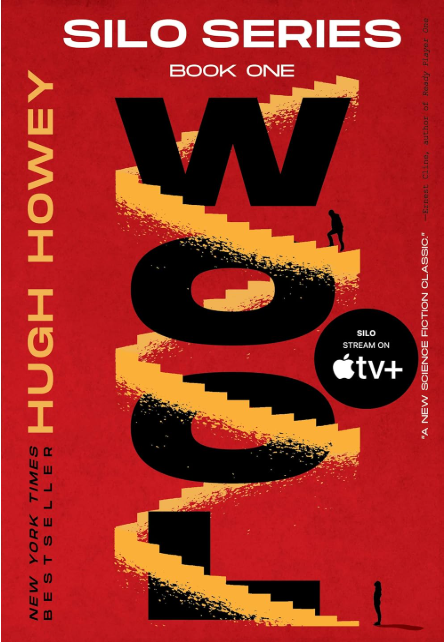
Wool: how to establish suspense with flashbacks
Hugh Howey’s Wool begins in medias res. It continues for two chapters before flashing back three years, showing what has led to Holsten, the sheriff, being sent to clean. By skipping back and forth in time, Howey establishes suspense. The reader cannot wait to see the events leading up to the sheriff, the person normally sending people to clean, to clean himself. The story uses hushed conversations about forbidden things to firmly establish Wool as a dystopia. The time shifts help build curiosity—the reader knows where the story is going, but not how it gets there, which keeps us turning pages.
Key takeaways
After spending some time reviewing my look-alikes and re-reading some of them as a writer, I was able to break free of my writer’s block and revise my work. This included
- changing a scene to begin in medias res
- breaking some of my longer sentences into sentence fragments that made sense in the context
- streamlining how I established my setting
- cutting out duplicate ideas
- deleting information already established
- moving other bits of information (to where they were more apropos)
- using one or two flashbacks where the reader already knows what had happened, and the time shift helps clarify events
I’m not going to lie. Radical editing—all the chopping and revision—was the most painful experience I could imagine, but I really like what I came up with!
How to read like a writer
Here are some things to keep in mind when reading like a writer.
- Focus on read-alikes for your story. Take a look at stories similar to your own and try to determine what about the narrative voice made them so successful.
- Be specific with the questions you ask. If your difficulty is composing dialogue, read with an eye to dialogue. If your difficulty is eliminating information dump, read to see how other authors give background information about characters and settings without it.
- Try modelling the author’s voice. Using mentor texts is a good way to try on someone else’s voice. Read a chapter of your mentor text like a writer. Pay attention to the way the author tells the story. When you are done, try to write a section of your own story using the other author’s voice. You might hate the resulting hybrid voice. But you might also love it.
Reading like a writer—studying the way bestselling authors structure their plots, create their stories, incorporate literary devices, and establish setting—turns each book you read into a master class in writing, helping you grow as a writer and refine your narrative voice.


 Elise Abram